
EIFS Explained: The Smart Insulation System South Florida Homes Need


You may have heard the term EIFS and not been quite sure what it means — or whether it applies to your home. If you're building new or planning an exterior renovation in South Florida, EIFS could be one of the most important decisions you make. Here's a plain-language breakdown of what it is, how it works, and why it's increasingly popular across Miami-Dade, Broward, and Palm Beach counties.

What Is EIFS?
EIFS stands for Exterior Insulation and Finish System. It's a multi-layered exterior wall system that combines insulation, waterproofing, and a decorative finish coat — all in one integrated solution. You may also hear it called synthetic stucco or by the brand name Dryvit.
Unlike traditional stucco, which bonds directly to the wall, EIFS attaches a layer of rigid foam insulation board to the exterior before the finish coats are applied. This makes it fundamentally different in both performance and appearance.
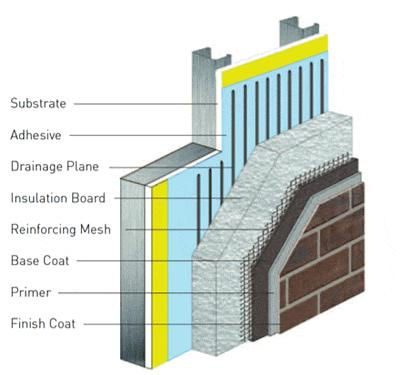
How EIFS Works: The Layers
EIFS is a system, not just a coating. A properly installed EIFS wall includes:
Adhesive or mechanical fasteners — to attach the insulation board to the substrate
Rigid foam insulation board — the energy-saving core of the system
Base coat with fiberglass mesh — for impact resistance and structural integrity
Finish coat — available in dozens of textures and colors
Each layer plays a specific role. The result is a wall system that insulates, waterproofs, and looks exceptional — all at once.

Why EIFS Makes Sense in South Florida
Energy Efficiency
South Florida homeowners run air conditioning for most of the year. EIFS dramatically reduces heat transfer through exterior walls, meaning your home stays cooler and your energy bills drop. For new construction especially, this can have a significant impact on long-term operating costs.
Design Flexibility
EIFS can be finished to look like traditional stucco, smooth plaster, textured stone, or almost any surface you can imagine. It's also used for decorative purposes — creating signage, architectural accents, and custom facades that would be difficult or expensive to achieve with other materials.
Versatility
EIFS works on a wide range of structures:
Single-family homes
Condos and apartment buildings
Commercial facades and storefronts
Soffits and decorative architectural features
Retrofitting existing walls — without disrupting the interior

Is EIFS Right for Your Home?
If you're building a new home and want maximum energy efficiency with a flawless exterior finish, EIFS is worth a serious look. If you're renovating and want to upgrade insulation and appearance at the same time — without a full tear-down — EIFS can be installed directly over existing walls.
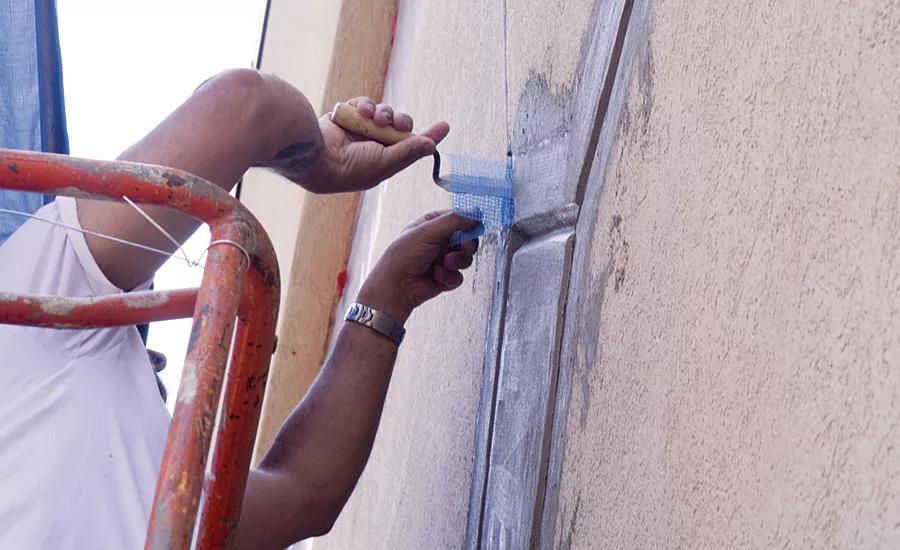
At Art Deco Plastering, we specialize in EIFS installation for both new construction and renovation projects across South Florida. Our team works with homeowners, architects, and builders to design the right system for every structure.
Curious whether EIFS is the right fit for your project? Reach out to us for a free consultation.
Comments